
Unlock Your Full Range of Motion
Discover evidence-based approaches to joint mobility support and safe movement techniques. Our comprehensive guide covers assessment, rehabilitation, and personalized movement strategies designed by physiotherapy experts.

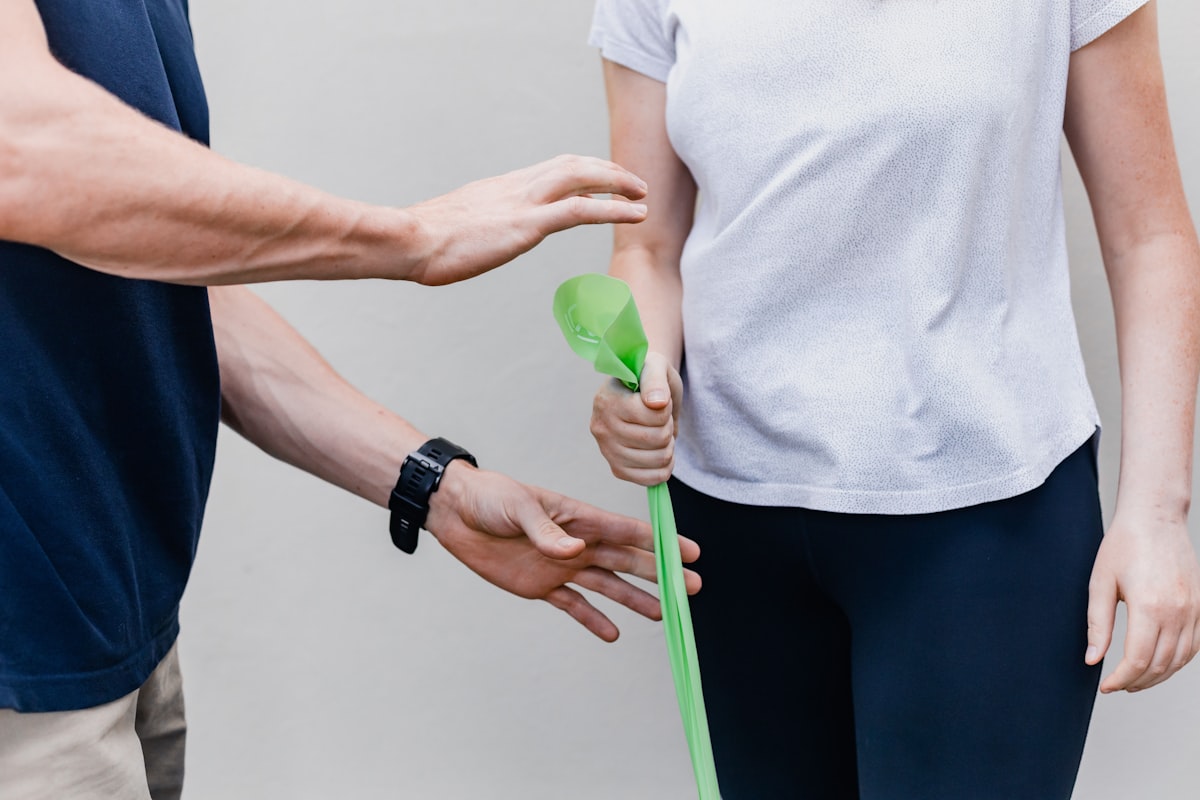
Why Joint Health Matters
Healthy joints form the foundation of functional movement and quality of life. When joints lose mobility or flexibility, everyday activities become challenging. Our evidence-based approach focuses on joint mobility support and guided movement strategies that help restore natural movement patterns safely.
Through personalized assessment and targeted therapeutic exercises, you can improve coordination, reduce tension, and strengthen the muscles that support your joints. This comprehensive approach addresses biomechanics of movement and helps prevent future movement limitations.
- Improved Mobility: Restore flexibility and range of motion through guided movement techniques
- Tension Relief: Reduce muscle spasm and joint discomfort with evidence-based methods
- Movement Safety: Learn proper biomechanics to protect joints during daily activities
Key Features of Our Approach
Evidence-based physiotherapy principles applied to help you achieve safe, effective joint movement improvement
Professional Assessment
Comprehensive physical assessment of joint mobility, muscle tone, and movement patterns. Our qualified specialists evaluate your individual needs to create a personalized approach tailored to your specific situation.
Learn proper assessment techniques to understand your movement limitations and track progress over time.
Therapeutic Exercises
Guided therapeutic exercises and kinesiotherapy designed for joint mobility support. Each exercise focuses on strengthening, flexibility improvement, and safe movement patterns with detailed guidance on proper form and technique.
Progressive exercise programs help improve flexibility and strengthen muscles supporting your joints.
Evidence-Based Methods
Our content is built on evidence-based medicine principles and modern physical therapy research. Every technique and approach has been validated through scientific study and clinical practice by healthcare professionals.
Stay informed with the latest rehabilitation methods supported by peer-reviewed research.
Personalized Guidance
Individual programs adapted to your specific needs, movement patterns, and health goals. Our experts focus on understanding your unique situation rather than applying one-size-fits-all solutions to movement improvement.
Customized rehabilitation approaches ensure exercises match your current abilities and goals.
Safety First Approach
Safe movement protocols ensure you exercise within appropriate limits. Our guidance emphasizes proper biomechanics and movement quality to prevent injury while improving joint mobility and muscle function.
Learn how to identify pain signals and adjust movements to support your body's healing process.
Progress Tracking
Monitor your improvement through measurable movement assessment techniques. Track changes in flexibility, muscle strength, coordination, and daily function to understand the impact of your rehabilitation efforts.
Regular assessment helps adjust your program and celebrate meaningful progress.
4-Step Movement Assessment Guide
Understanding your joint mobility through a structured assessment process
Initial Assessment
Begin with a comprehensive evaluation of your movement history, current limitations, and health goals. A qualified specialist reviews your joint mobility patterns and identifies areas needing support.
Physical Evaluation
Perform specific movement tests to assess joint range of motion, muscle strength, flexibility, and coordination. This physical assessment reveals biomechanics limitations and movement compensations.
Program Development
Create an individual program combining therapeutic exercises, stretching techniques, and movement adaptation strategies. Your personalized approach targets specific joint mobility needs and rehabilitation goals.
Progress Monitoring
Track improvements in movement quality, joint flexibility, and functional ability. Regular reassessment ensures your program evolves with your progress and continues supporting your mobility goals.
Comprehensive vs. Limited Approaches
Why our integrated methodology delivers superior movement improvement outcomes
| Assessment Component | Limited Approach | Comprehensive Approach |
|---|---|---|
| Initial Evaluation | Basic symptom review | Complete movement history and physical assessment |
| Joint Mobility Testing | Single movement test | Multi-directional range assessment |
| Muscle Strength Evaluation | Not included | Detailed strength and tone analysis |
| Biomechanics Analysis | Minimal review | Detailed movement pattern evaluation |
| Program Customization | Generic exercises | Personalized individual program |
| Ongoing Assessment | One-time evaluation | Regular progress tracking and adjustment |
| Expert Support | Limited guidance | Qualified specialist consultation |
How Improved Joint Mobility Supports Your Life
Evidence-based benefits from systematic joint movement improvement
Enhanced Daily Function
Improved flexibility and joint mobility make everyday activities easier—climbing stairs, reaching overhead, bending forward, and walking with confidence. Better movement range reduces physical limitations in daily tasks.
Discomfort Reduction
Systematic movement improvement and muscle strengthening help reduce joint discomfort and muscle spasm tension. Proper biomechanics prevent compensatory strain that often amplifies pain signals.
Improved Balance
Enhanced joint proprioception and muscle coordination through guided movement exercises strengthen the neuromuscular connection. This improvement translates to better balance and fall prevention.
Increased Confidence
As joint mobility improves and discomfort decreases, confidence in your body's capabilities increases. This psychological benefit motivates continued movement and prevents the isolation cycle of reduced activity.
Long-term Prevention
Learning proper movement biomechanics and maintaining joint flexibility through therapeutic exercises supports long-term joint health. Prevention of movement limitations through adaptation reduces future mobility challenges.
Sustained Improvement
Personalized rehabilitation programs that address your specific movement patterns create lasting change. Consistent application of therapeutic techniques supports continuous flexibility, strength, and coordination improvement.
Support for All Major Joints
Specialized movement approaches for different joint types and mobility needs
Shoulder Joints
The shoulder complex involves multiple joints requiring coordinated movement. Our guidance covers mobility improvement for reaching, lifting, and overhead activities with safe stretching and strengthening techniques.
Focus areas: rotator cuff support, scapular stability, range of motion restoration
Hip Joints
Hip mobility supports walking, sitting, and leg movement. Our evidence-based exercises improve flexibility and strengthen supporting muscles while maintaining proper movement biomechanics for daily activities.
Focus areas: hip mobility, glute strength, alignment correction, walking pattern improvement
Knee Joints
Knee stability depends on proper alignment and muscle strength. We provide guidance on controlled movement, strengthening exercises, and techniques to reduce stress on knee joints during functional activities.
Focus areas: quadriceps strength, alignment support, stability improvement, movement control
Ankle Joints
Ankle mobility and stability are essential for safe walking and balance. Our therapeutic exercises focus on proprioceptive improvement and strengthening the muscles that support ankle function.
Focus areas: ankle mobility, proprioception enhancement, strength development, balance improvement
Spine Segments
Spinal mobility supports safe bending, twisting, and postural function. Our evidence-based approach teaches proper movement mechanics and core strengthening to support healthy posture and reduce discomfort.
Learn proper spinal mechanics and core stability techniques.
What Our Clients Say
Real results from real people on their wellness journey.
"The personalized guidance I received transformed my daily pain into improved mobility. I finally understand how to move correctly and feel the difference."
Sarah M.
Office Professional
"After years of physiotherapy with limited progress, this evidence-based approach finally gave me lasting results. Highly recommend!"
James T.
Active Athlete
"The comprehensive nature of this wellness guide helped me understand my body better. Prevention truly is better than cure."
Emma L.
Wellness Enthusiast
Frequently Asked Questions
Find answers to common questions about our physiotherapy wellness approach.
What qualifies as proper movement mechanics?
Proper movement mechanics involve coordinated muscle engagement, optimal joint alignment, and controlled motion patterns. This prevents unnecessary stress on joints and supports long-term musculoskeletal health.
How long does it take to see results?
Most individuals notice improvements in pain and mobility within 2-4 weeks of consistent practice. Significant structural changes and lasting habits typically develop over 8-12 weeks.
Can I benefit from this approach if I have chronic pain?
Yes. Our evidence-based strategies are specifically designed for chronic pain management. We focus on restoring movement quality, reducing compensation patterns, and building resilience.
What is the role of core strengthening in wellness?
Your core provides stability for nearly every movement. Proper core engagement reduces load on joints, improves posture, and supports athletic performance and daily activities.
Start Your Wellness Journey Today
Join thousands of people who've transformed their health through evidence-based physiotherapy guidance and proper movement mechanics.
Your wellness information is secure and confidential.